Is Anesthesia Safe? Understanding the Real Risks and How They Are Managed
12 June 2026 · By Anesthesia.mu · Updated 17 June 2026
Many people feel nervous about anesthesia, sometimes more than about the surgery itself. The idea of being unconscious and not in control is understandably unsettling. The reassuring truth is that modern anesthesia is one of the safest parts of medical care. Serious problems are rare, and a great deal of training, monitoring, and planning goes into keeping you safe from the moment you arrive until you are fully awake again.
Just How Safe Is Anesthesia Today
Anesthesia has become dramatically safer over the past few decades. Advances in monitoring equipment, safer medicines, and better training mean that the risk of a healthy person experiencing a life-threatening problem purely from anesthesia is very low. For a generally healthy adult having a planned operation, the risk of dying from anesthesia alone is estimated at well under one in one hundred thousand. To put that in everyday terms, the routine journey to and from the hospital often carries more risk than the anesthetic itself.
This does not mean risk is zero. No medical procedure is completely free of risk. But it does mean that the people caring for you have powerful tools and deep experience to prevent and manage problems before they become serious.
Who Looks After You
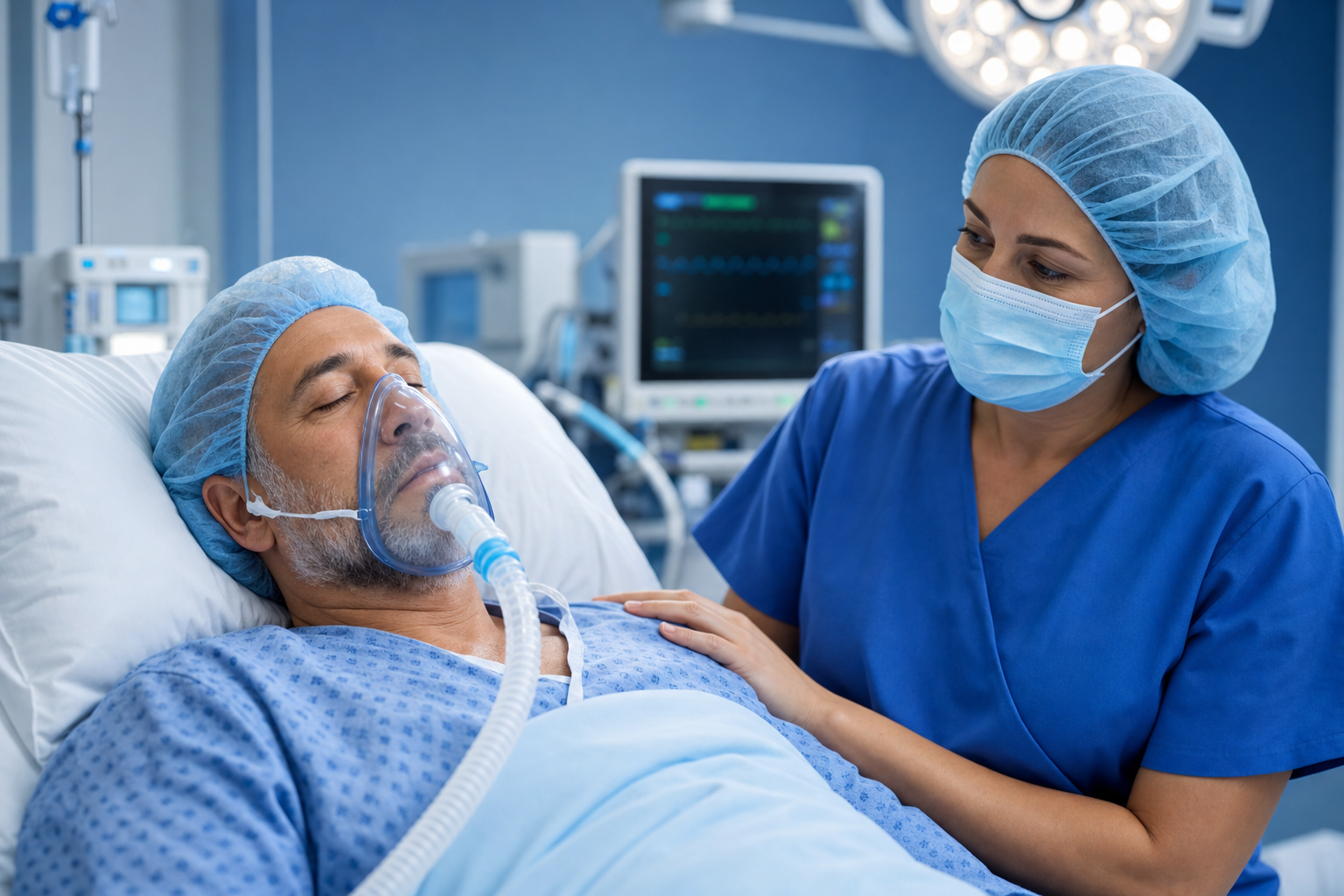
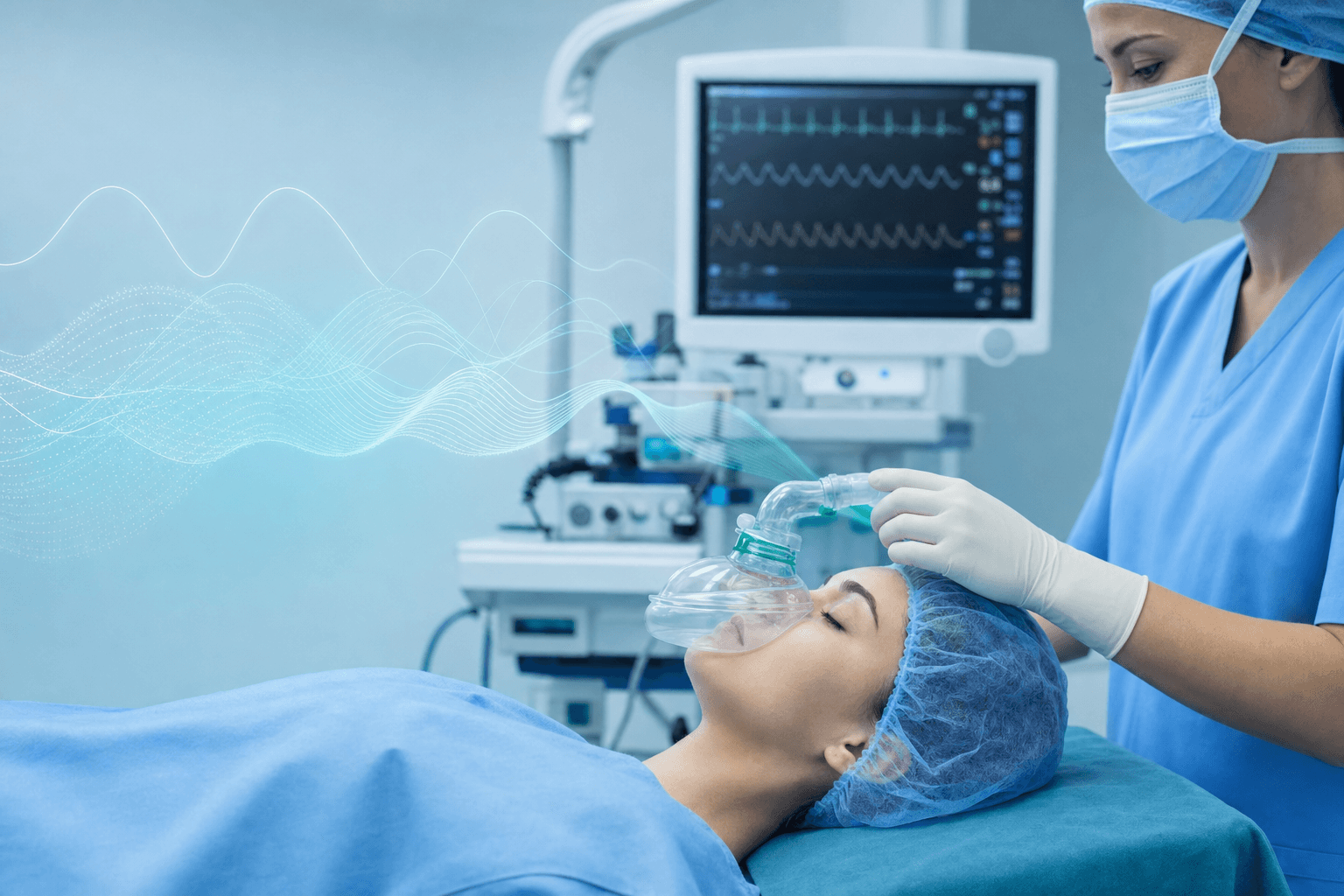
While you are asleep or sedated, an anesthetist (a specialist doctor trained in anesthesia) stays with you the entire time. Their only job is to watch over your breathing, heart rate, blood pressure, oxygen levels, and comfort, second by second. Monitors track your vital signs continuously, and alarms alert the team to even small changes long before you would feel anything.
This constant, focused attention is one of the main reasons anesthesia is so safe. You are never left alone, and adjustments are made throughout the procedure to keep your body steady and stable.
The Common, Minor Side Effects
Most of what people actually experience after anesthesia is mild and temporary. These are side effects rather than dangers, and they usually settle within a day or so. They include:
- Feeling sick or vomiting (this can often be prevented or treated with medication)
- A sore throat, if a breathing tube was used
- Shivering or feeling cold
- Drowsiness, confusion, or feeling a little foggy for a few hours
- Mild dizziness or a headache
These effects are unpleasant but expected, and your care team can help manage them. They are not a sign that something has gone wrong.
The Rare, Serious Risks
Serious complications are uncommon, but it is fair to know what they are. They can include allergic reactions to medicines, breathing difficulties, damage to teeth or lips during airway placement, nerve injury, or, very rarely, awareness during general anesthesia (becoming briefly conscious when you should be asleep). Heart and breathing problems are also possible, particularly in people who are already very unwell.
The key point is that these risks are not random. They are closely linked to your overall health, your age, the type and length of the operation, and any existing medical conditions. A young, healthy person having a short procedure faces a very different level of risk than an older person with serious heart or lung disease. Your anesthetist will assess your personal situation and explain what is relevant to you.
How Risks Are Reduced
Safety begins long before the operating room. Before surgery, you will usually have a pre-operative assessment where the team reviews your health, your medicines, allergies, and any past reactions to anesthesia. This is why honesty here matters so much. Tell them about every medication and supplement you take, whether you smoke, and any family history of anesthetic problems.
On the day, equipment is checked, doses are calculated for your body, and the plan is tailored to you. Throughout the procedure, continuous monitoring allows tiny adjustments. Afterwards, you recover in a dedicated area where staff watch you closely until you are stable and awake.
This information is general education and is not a substitute for personalised medical advice from your own doctor or anesthetist.
What You Can Do to Stay Safe
You play a real part in your own safety. Follow the fasting instructions exactly, because eating or drinking too close to surgery can cause serious breathing problems. Share your full medical history. Mention any loose teeth, dental work, or previous bad reactions. Ask questions until you feel comfortable, and follow the recovery instructions you are given.
When to Seek Help After Going Home
For day procedures, most people feel back to normal within a day or two. Contact your care team or seek medical attention if you notice:
- Difficulty breathing or chest pain
- A high fever or signs of infection at the surgical site
- Severe or worsening pain that is not controlled
- Persistent vomiting that stops you keeping fluids down
- Confusion that does not clear, or fainting
These warning signs are uncommon, but acting early is always the safe choice.
A Calm Final Thought
It is completely natural to feel anxious about anesthesia, yet the reality is reassuring. You are cared for by a specialist whose sole focus is your safety, supported by careful planning and constant monitoring. By sharing your health information openly and following the instructions you are given, you become an active partner in a process that is already remarkably safe. If worry remains, ask your anesthetist to walk you through your specific plan. A clear conversation is often the best comfort of all.
Safe anesthesia is part of safe, modern care. Explore the wider Medtech health ecosystem.