Why sleep apnea matters before anesthesia
Obstructive sleep apnea, often called OSA, is one of the most common breathing conditions seen in adults. It causes repeated pauses or drops in breathing during sleep because the airway narrows or closes. Many people have it without knowing, especially if they snore, feel sleepy during the day, or have high blood pressure, excess weight, or a large neck circumference.
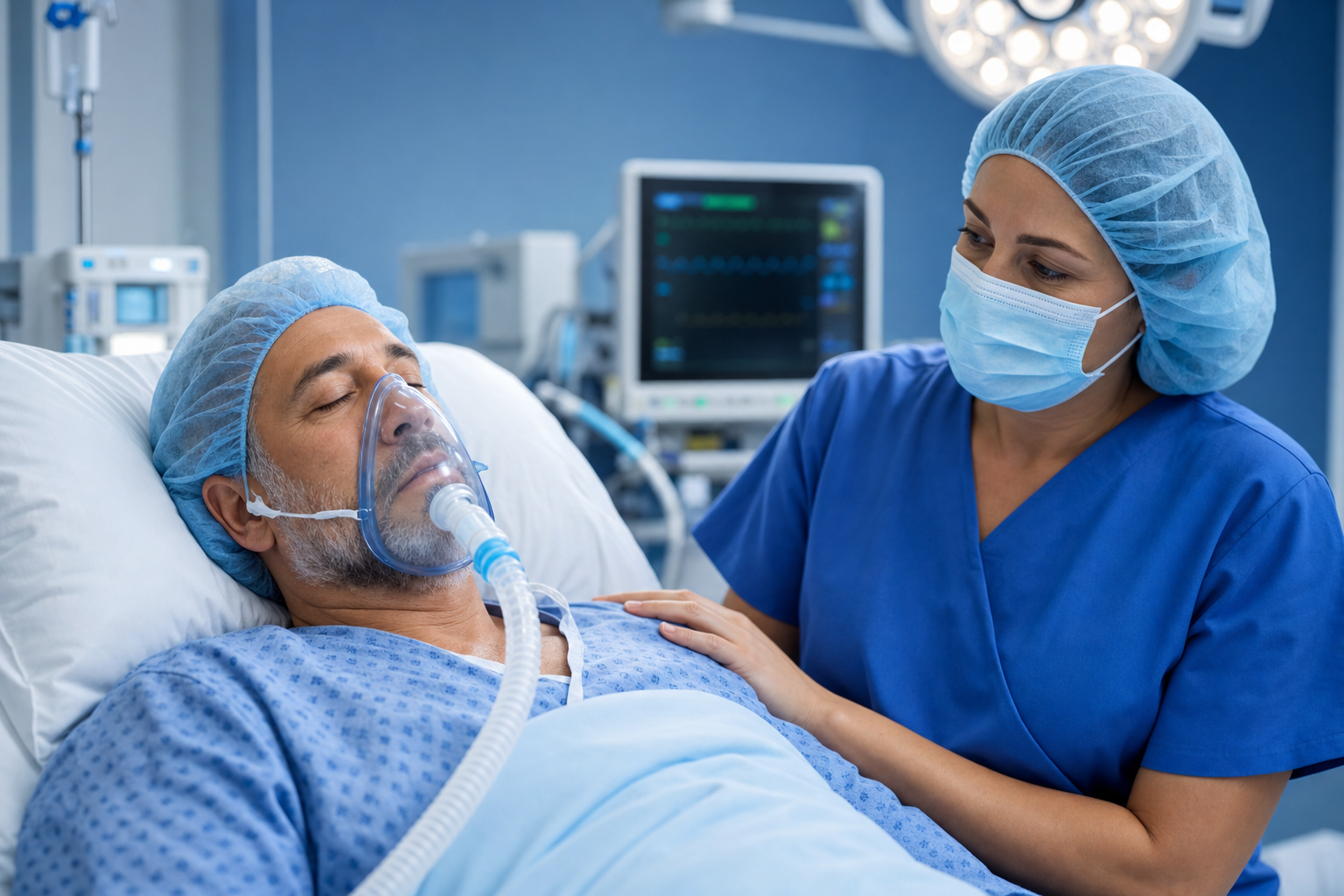
For anesthesia, OSA matters because many sedatives, opioids, and anesthetic drugs can make the airway more collapsible and slow breathing. That does not mean you cannot have surgery safely. It means your anesthesia team may plan more carefully, choose medications differently, and watch you more closely after the procedure.
Signs you might have sleep apnea
Some people already have a formal diagnosis and use a CPAP or other breathing device at home. Others may only suspect a problem. Common clues include:
- Loud, regular snoring
- Gasping, choking, or breathing pauses noticed by a partner
- Waking unrefreshed, with morning headaches or dry mouth
- Daytime sleepiness, concentration problems, or drowsy driving
- High blood pressure that is hard to control
- Being told you have a narrow airway or trouble with sedation in the past
If any of these sound familiar, tell your surgical team before the day of surgery. Even if you have never had a sleep study, that information can change the plan in a helpful way.
What your anesthesia team needs to know
A good preoperative conversation usually includes more than just the name of your diagnosis. Your team will want to know:
- Whether you have a sleep study result, and how severe the apnea is
- Whether you use CPAP, BiPAP, an oral appliance, or oxygen at home
- How often you use it, and whether you bring it with you for procedures
- Whether you have had previous anesthesia, and if there were breathing or airway issues
- Whether you take opioids, sleeping pills, benzodiazepines, alcohol, or other sedating medicines
Bring your CPAP mask and machine if your surgical center asks for it. Even if you do not use it every night, having it available can help during recovery.
How anesthesia plans may change
The goal is not to make the case more complicated, but to reduce breathing risk. Depending on your surgery and health status, your anesthesia team may:
- Prefer regional anesthesia, nerve blocks, or local anesthesia when appropriate
- Use the lowest effective doses of sedating medication
- Choose short-acting drugs that wear off predictably
- Minimize opioid pain medicines and use non-opioid options whenever possible
- Position you carefully during and after the procedure to support breathing
- Prepare extra airway equipment in case airway support is needed
In many cases, OSA patients do very well when the team plans ahead. A known diagnosis is usually safer than an unknown one, because it allows the anesthetist to anticipate what may happen.
Recovery room monitoring is often the key
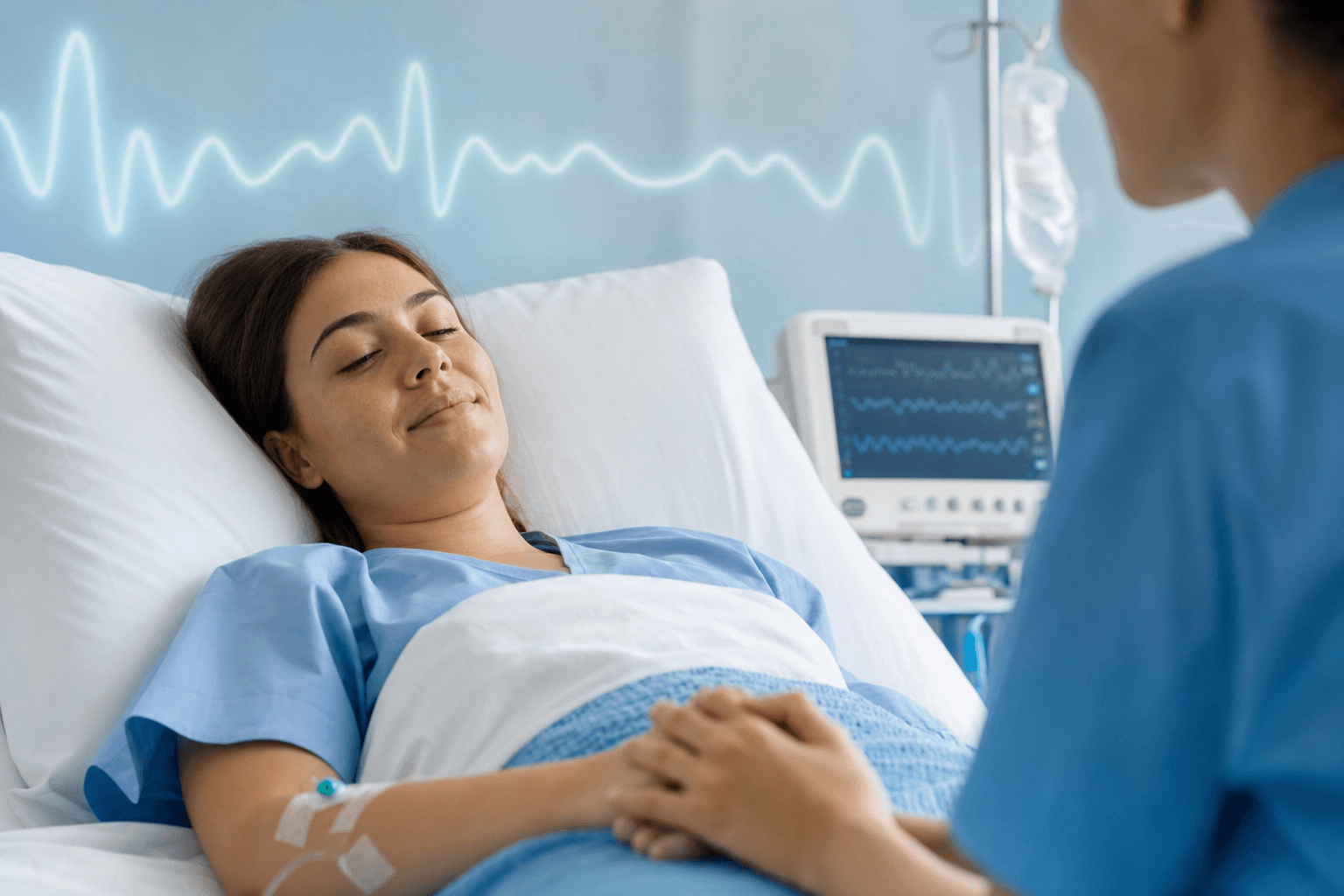
The period after surgery can be more important than the operation itself for someone with sleep apnea. When anesthetic medicines are wearing off, the airway can relax again, especially if you are sleepy or receiving pain medicine.
You may need:
- Longer observation in the recovery room
- Continuous pulse oximetry, and sometimes capnography
- Oxygen, if needed, although oxygen does not replace airway support
- Repeated reminders to breathe deeply and wake up fully before discharge
- CPAP use in recovery if that is part of your usual treatment
If you are having major surgery, need strong pain medicine, or have other conditions such as obesity, heart disease, or lung disease, your team may recommend an overnight stay instead of same-day discharge.
Pain control without over-sedation
Opioids can be very effective for pain, but they also increase the risk of slowed breathing and airway obstruction in people with sleep apnea. This is why many anesthesia plans now emphasize multimodal pain control, meaning pain relief from several sources instead of relying on one medicine.
This can include:
- Acetaminophen, if safe for you
- Anti-inflammatory medicines such as ibuprofen or similar drugs, when appropriate
- Nerve blocks or local anesthetic around the surgical site
- Small, carefully titrated doses of opioid only if needed
- Non-drug measures such as ice, elevation, and early mobilization when suitable
If you take chronic pain medication at home, your team should know that too. Stopping some medicines suddenly can also cause problems, so the plan needs to be individualized.
What you can do before surgery
A few simple steps can make a real difference:
- Tell the surgical office, anesthesia team, and preadmission clinic that you have or may have sleep apnea.
- Bring your CPAP machine, mask, and tubing if instructed.
- Follow fasting instructions carefully, because aspiration risk matters as much as breathing risk.
- Avoid alcohol and recreational drugs before surgery, unless your doctor specifically says otherwise.
- Ask whether you should take your regular morning medicines, especially blood pressure drugs or inhalers.
- Arrange for an adult to accompany you home if you are having day surgery.
If you do not have a diagnosis but strongly suspect sleep apnea, this is still worth mentioning. A brief screening questionnaire and your symptoms may prompt extra precautions.
When to be extra cautious after you go home
If you have same-day surgery, the first night matters. Sleepiness from anesthesia, combined with your usual tendency to airway collapse, can be more noticeable after discharge.
Seek urgent help if you have:
- Trouble staying awake when you should be alert
- Repeated pauses in breathing that someone notices
- Blue lips, severe shortness of breath, or chest pain
- Confusion that is worsening rather than improving
- Pain medicines making you excessively sleepy or hard to wake
At home, use your CPAP as prescribed, avoid alcohol, and take only the pain medicines your team recommends. If you are unsure whether a symptom is expected, call your surgical team rather than guessing.
The practical takeaway
Sleep apnea does not usually prevent you from having anesthesia, but it does change the way your care team plans for it. The most helpful things you can do are to mention suspected or confirmed OSA early, bring your CPAP if you use one, and follow postoperative instructions closely. With thoughtful planning, careful medication choices, and the right monitoring, most people with sleep apnea can have surgery safely and recover well.
Safe anesthesia is part of safe, modern care. Explore the wider Medtech health ecosystem.